When does custom software make sense for a small business?
Look at the repeated work, disconnected information and awkward handovers before deciding whether to commission a bespoke system.
 DoThatDomain Independent studio / Arlesey, Bedfordshire2 MIN READ
Notice where the work gets repeated
Copying the same information between systems, chasing approvals and rebuilding a report every week are useful signs to investigate. They do not automatically mean you need a custom platform. They mean a workflow deserves a closer look.
Record the steps, who carries them out and what happens when someone is absent or a request is incomplete. Include the exceptions. A system designed around an ideal process can be frustrating when the real business runs differently.
Compare integration with replacement
Existing products may already handle much of the work. Check their integration and export options before commissioning a replacement. A small connection between two tools can be more useful than rebuilding both.
Custom software becomes interesting when the important workflow does not fit the available products, permissions need a different structure or a connected experience would remove substantial friction. The question is whether the benefits justify the build and ongoing responsibility.
Keep the first release specific
Choose a workflow with a clear owner and a measurable outcome. A customer portal might begin with shared documents and recorded approvals. An internal tool might begin with one reliable import and a useful report. The first version should be small enough to understand but complete enough to use.
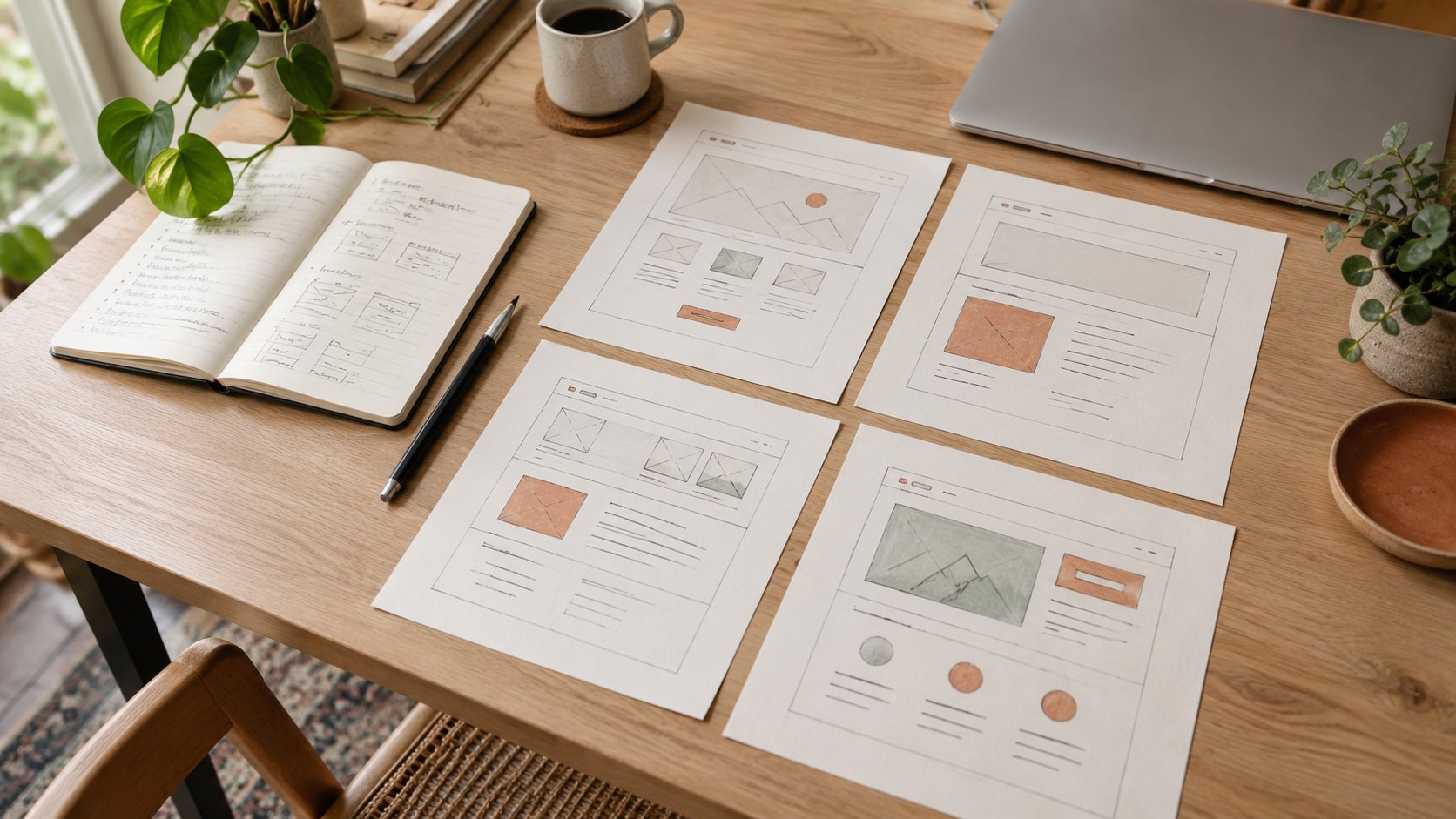
A prototype can expose confusing navigation and missing information before the supporting system is built. Test it with the people who will use it rather than judge it only from a dashboard screenshot.
Ask about the operational details
Data access, backups, recovery and exports belong in the scope alongside the interface. Ask what happens if hosting is changed, an account is lost or a service is unavailable. Ownership and a clear handover matter because the software needs to outlast the initial project.
DoThatDomain develops bespoke software from Arlesey, Bedfordshire. We can begin with discovery, an integration or a focused prototype, then quote a build around the work your business actually needs to do.